

How EMDR Therapy Helps Break the Cycle of Addiction?
Addiction treatment often requires more than addressing physical dependence alone. For many individuals, underlying emotional wounds, unresolved trauma, or painful memories drive the compulsive behaviors associated with substance use disorders. EMDR therapy has become an increasingly recognized and evidence-supported therapeutic approach that can help break this cycle. By targeting how the brain processes distressing experiences, EMDR therapy offers a structured way to reduce emotional pain, heal trauma, and support long-term recovery goals for people struggling with addiction. For more information, contact us or book an appointment online. We are conveniently located at 13809 Research Blvd, Stu 500, Austin, Texas 78750.
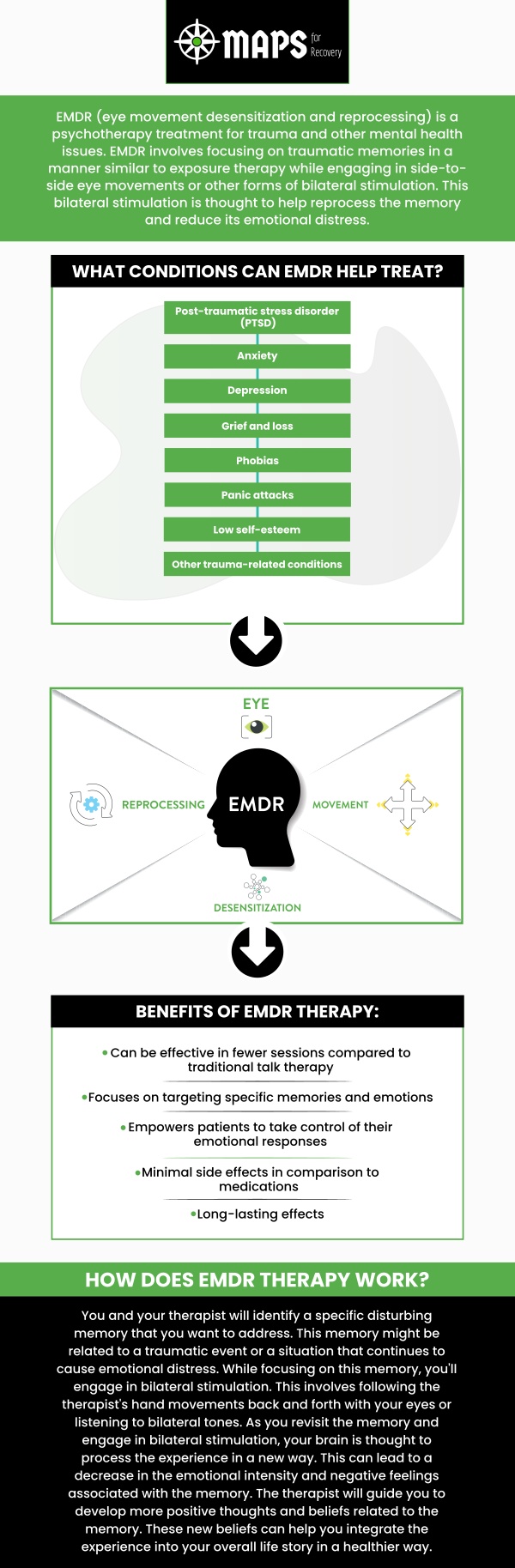
Table of Contents:
How does EMDR therapy work in addiction treatment?
What Conditions Related to Addiction Can EMDR Help Address?
Is EMDR Therapy Evidence-Based for Trauma and Addiction?
How Many EMDR Sessions Are Typically Needed to See Results?
How Does MAPS for Recovery Incorporate EMDR Therapy Into Addiction Recovery Plans?
Eye Movement Desensitization and Reprocessing (EMDR) is a specialized form of psychotherapy originally developed to treat trauma and post-traumatic stress disorder (PTSD). Over time, clinicians have found that the same core principles can play a powerful role in addiction recovery. At its core, EMDR helps individuals reprocess distressing or unresolved memories that may have contributed to the development or continuation of substance use.
The process involves bilateral stimulation, often through guided eye movements, auditory cues, or gentle tapping, while the patient focuses on specific memories or experiences. This bilateral stimulation activates the brain’s natural processing mechanisms in a way that resembles the cognitive activity occurring during rapid eye movement (REM) sleep. By doing so, EMDR helps the brain integrate traumatic or emotionally charged memories into a healthier, more adaptive framework.
In addiction treatment, this reprocessing can reduce the emotional intensity of memories linked to past pain, shame, or triggers for substance use. When these memories lose their overwhelming emotional charge, individuals often experience a decrease in cravings, improved emotional regulation, and a stronger capacity to cope without returning to old patterns.
EMDR therapy is most commonly recognized for its effectiveness in treating trauma-related conditions, but its benefits extend to many challenges frequently encountered in addiction recovery. Conditions that EMDR can help address include:
● Trauma and PTSD: Unresolved trauma is a significant risk factor for addiction. By targeting traumatic memories directly, EMDR can reduce their emotional grip and lessen the need to self-medicate.
● Anxiety and Depression: Emotional distress often accompanies addiction. EMDR supports the processing of negative emotions and beliefs that can fuel these conditions.
● Cravings and Triggers: While not a direct pharmacological treatment for cravings, EMDR can reduce the emotional intensity of cues associated with substance use, helping individuals maintain sobriety.
● Stress Response and Emotional Dysregulation: EMDR equips patients with greater capacity to tolerate stress without resorting to substances.
Importantly, EMDR is not used in isolation. At MAPS for Recovery, therapists integrate it into comprehensive care plans that address both the psychological roots of addiction and the behavioral aspects of recovery.
Yes. EMDR is widely recognized as an evidence-based therapy for trauma and related conditions. Major health organizations, including the World Health Organization (WHO) and the American Psychological Association (APA), endorse EMDR as an effective intervention for PTSD and other trauma-related disorders.
While research specifically on EMDR for addiction is less extensive than for PTSD, emerging studies and clinical practice trends support its utility in addressing the emotional and psychological factors underlying substance use disorders. For example, clinical studies have shown that adding EMDR to conventional addiction treatment can reduce PTSD symptoms, depressive features, and negative self-concept—all of which can contribute to relapse risk if left untreated.
EMDR’s integration into addiction care reflects a growing understanding that trauma, emotional pain, and maladaptive coping strategies often intersect with substance use. By addressing these areas at their cognitive and emotional roots, EMDR offers not just symptom relief but meaningful change in how individuals relate to past experiences and current challenges.
The number of EMDR therapy sessions required varies by person and the complexity of the issues being treated. Factors that influence the length of therapy include:
● Severity and number of traumatic memories
● Presence of co-occurring mental health conditions
● Individual processing pace and readiness
● Treatment goals and overall recovery progress
In general practice, many people begin to notice changes after six to twelve EMDR sessions, especially when they are working with trained clinicians who tailor the protocol to individual needs. Some individuals experience noticeable reductions in emotional distress relatively early, while others may require ongoing sessions to deepen and consolidate healing.
At MAPS for Recovery, therapy plans are individualized, so patients have clear expectations and structured progress reviews. EMDR is often scheduled weekly or bi-weekly, aligned with other elements of the recovery plan to provide consistent support.
MAPS for Recovery in Austin, TX, offers EMDR therapy as part of a broader, personalized approach to addiction treatment under the leadership of trained professionals, including Lynn E. Lytton, MD. The clinic recognizes that lasting recovery involves healing both the physical and emotional dimensions of addiction.
When EMDR is incorporated into a treatment plan at MAPS for Recovery, it is used alongside other therapeutic modalities—such as counseling, cognitive behavioral strategies, medication management when appropriate, and supportive therapies—to create a holistic recovery experience. EMDR is not a standalone solution but an integral component that enhances the overall effectiveness of care.
The process begins with a thorough assessment of each patient’s history, triggers, and treatment goals. Providers tailor the EMDR protocol to address specific traumatic memories or emotional patterns that may perpetuate addiction. By helping individuals reprocess these experiences in a safe, structured environment, MAPS for Recovery supports patients in building resilience, reducing relapse risk, and fostering sustainable emotional well-being.
EMDR therapy offers a promising and growing role in addiction treatment by addressing the emotional and psychological roots of substance use. Through structured reprocessing of traumatic memories, EMDR helps individuals reduce emotional distress, reframe negative beliefs, and strengthen coping capacities—key steps in breaking the cycle of addiction. At MAPS for Recovery, EMDR is thoughtfully integrated into comprehensive recovery plans that prioritize individualized care, evidence-based practice, and long-term healing. For more information, contact us or book an appointment online. We are conveniently located at 13809 Research Blvd, Stu 500 Austin, Texas 78750. We serve patients from Austin TX, Georgetown TX, Leander TX, Jonestown TX, Cedar Park TX, Round Rock TX, Rollingwood, TX, Bluff Springs TX, Del Valle TX, and surrounding areas.
Check Out Our 5 Star Reviews


ADDITIONAL SERVICES YOU MAY NEED
- Addiction Treatment
- Alcohol Dependence Treatment
- Benzodiazepine Treatment
- Chronic Pain Treatment
- Drug Treatment
- EMDR Therapy
- Heroin Addiction Treatment
- Medical Management of Alcohol Addiction
- Medical Management of Benzodiazepine
- Medical Management of Opiate Addiction
- Opioid Dependence Treatment
- Tobacco Cessation Treatment
- Transitioning off Xanax

ADDITIONAL SERVICES YOU MAY NEED
- Addiction Treatment
- Alcohol Dependence Treatment
- Benzodiazepine Treatment
- Chronic Pain Treatment
- Drug Treatment
- EMDR Therapy
- Heroin Addiction Treatment
- Medical Management of Alcohol Addiction
- Medical Management of Benzodiazepine
- Medical Management of Opiate Addiction
- Opioid Dependence Treatment
- Tobacco Cessation Treatment
- Transitioning off Xanax


 Send Text
 How May I Help You?