
Holistic vs. Conventional Medicine: When You Need Both
When navigating health concerns, it’s important to understand the balance between holistic and conventional medicine. Holistic approaches focus on treating the whole person, including mind, body, and spirit, while conventional medicine often targets specific symptoms or conditions. Lynn E. Lytton, MD, at MAPS for Recovery emphasizes that there are times when integrating both methods can be particularly effective. For more information, contact us or book an appointment online. We are conveniently located at 13809 Research Blvd, Stu 500 Austin, Texas 78750.
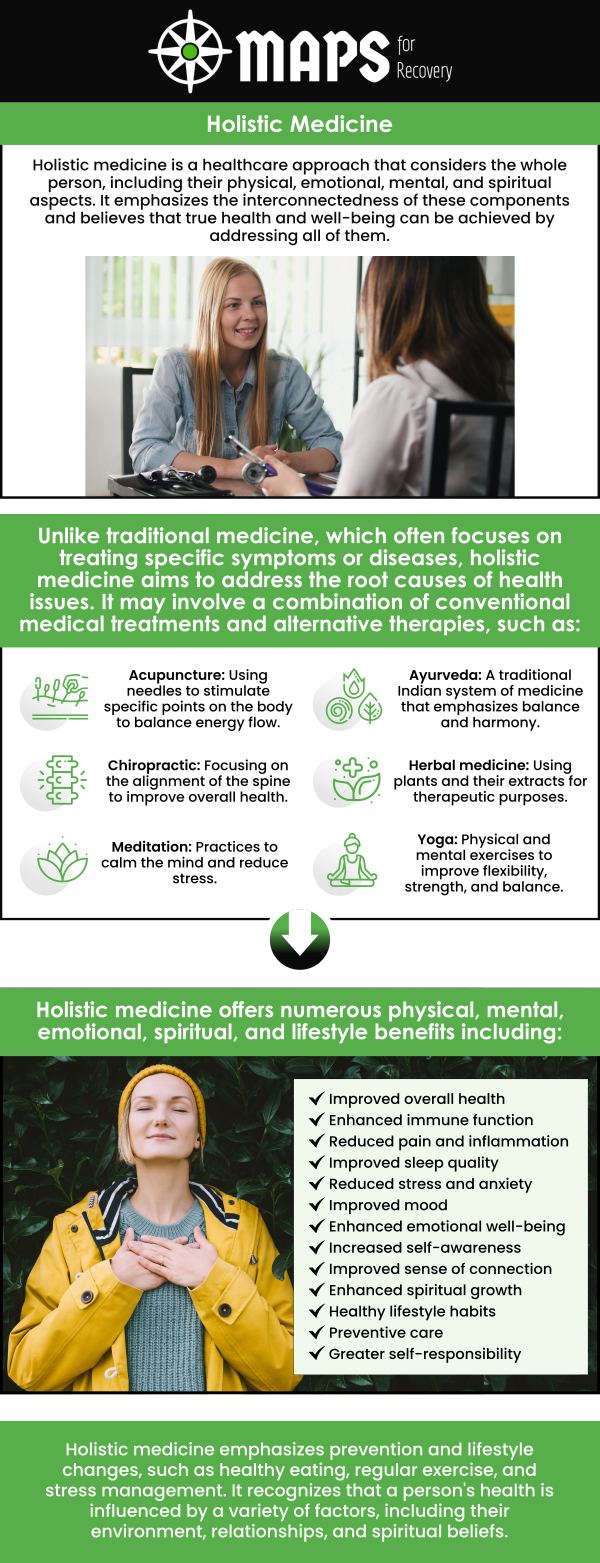
Table of Contents:
What is the main difference between holistic and conventional medicine?
How do I find a holistic practitioner near me?
Can a holistic approach help reduce my need for certain prescription medications over time?
How do I track results and progress when using both approaches?
Conventional medicine—often called Western or allopathic medicine—focuses on diagnosing and managing specific symptoms or diseases, using tools such as pharmaceuticals, medical procedures, and evidence-based protocols. This is invaluable in acute situations or when immediate symptom relief is needed.
However, at MAPS for Recovery, we recognize that true, lasting healing often requires more than symptom management. That’s why we embrace the principles of holistic medicine. Holistic care considers the whole person—body, mind, emotions, relationships, and even spiritual well-being—when addressing health concerns and addiction recovery. Our team integrates conventional medical expertise with complementary therapies, such as nutritional counseling, mindfulness and stress reduction, trauma-informed care, and supportive counseling. In doing so, we aim to not only alleviate symptoms but also to identify underlying causes, promote resilience, and empower you on your journey to sustainable wellness.
If you are seeking a holistic approach to addiction or mental health recovery, MAPS for Recovery offers a comprehensive team of qualified practitioners dedicated to treating the whole person—mind, body, and spirit. Our integrated services include counseling, medication-assisted treatment, psychotherapy, acupuncture, nutritional guidance, and mindfulness-based therapies, all designed to support your unique recovery journey.
How to Connect with MAPS for Recovery:
●Clarify Your Needs:
Begin by considering what type of holistic support you’re looking for. Are you interested in therapy, medication management, group support, or integrative approaches such as acupuncture or mindfulness training? We offer all these services and more, tailored to your individual health goals.
●Explore Our Providers:
Visit our website to learn about our team’s credentials, experience, and specialties. Our practitioners are licensed, certified, and experienced in both conventional and holistic modalities, ensuring you receive care that meets professional standards.
●Ask Questions:
Not sure which approach is right for you? Contact our office directly. Our friendly staff can answer your questions about treatment philosophy, provider experience, and how we integrate holistic care with evidence-based medical treatments for addiction and mental health.
●Schedule a Consultation:
We encourage you to schedule an initial appointment, where you can discuss your needs and recovery goals with one of our practitioners. This is a great opportunity to ensure you feel comfortable and understood, and to develop a personalized care plan.
We believe in a holistic approach to healing—addressing the whole person, not just the symptoms. Our integrative model supports your mind, body, and lifestyle, recognizing that true recovery goes beyond prescription medications alone. For chronic conditions such as high blood pressure, type 2 diabetes, anxiety, depression, and chronic pain, our team collaborates with you to explore strategies that nurture your body’s natural ability to heal.
Through personalized plans, we guide you in areas like nutrition, physical activity, stress management, sleep hygiene, and complementary therapies—including yoga, meditation, and acupuncture. These approaches can empower you to take an active role in your recovery journey and may, over time, reduce your reliance on certain medications. In some cases, with careful medical supervision, your need for medication may decrease as your overall health improves.
However, changes to your medication regimen must always be made in partnership with a MAPS for Recovery provider. We closely monitor your progress and safety, ensuring any adjustments are right for you. Our goal is to help you build a sustainable path to wellness by integrating holistic practices into your individualized treatment plan.
Tracking results and progress when using both holistic and conventional medicine can be challenging, but is essential for understanding what works best for your health. To do this effectively, it’s helpful to monitor both short-term and long-term changes.
For conventional medicine, you can track progress through regular check-ups, lab tests, and symptom tracking. Keep a record of how your symptoms change with prescribed treatments, noting improvements or side effects. Your healthcare provider can help assess these results with diagnostic tests, ensuring that the treatment is effective.
For holistic medicine, tracking may focus more on how lifestyle changes, diet, stress management, and alternative therapies (like acupuncture or herbal treatments) impact your well-being. Keep a daily journal to log physical symptoms, emotional states, energy levels, and any other changes you notice. This can help you see trends and determine which holistic practices are most effective for you.
It’s important to maintain open communication with all your healthcare providers, ensuring both approaches complement each other. MAPS for Recovery can support you in this process by offering guidance on how to integrate both holistic and conventional medicine safely. Their team can help you evaluate the progress of each treatment approach, making adjustments as needed to support your overall health.
Meet our practitioner, Lynn E. Lytton, MD.
At MAPS for Recovery, we are dedicated to helping individuals achieve lasting wellness and recovery. Lynn E. Lytton, MD, leads our team as a board-certified physician with extensive training in internal medicine and a deep commitment to compassionate, patient-centered care. With years of clinical experience, Dr. Lytton specializes in supporting individuals through every phase of their recovery journey—whether from substance use disorders, co-occurring medical conditions, or life’s complex health challenges.
Dr. Lytton’s approach is rooted in evidence-based medicine, comprehensive diagnosis, and preventive health strategies tailored to each patient’s unique needs. She believes that open communication and trust are essential for successful recovery, empowering patients to take an active role in their healing process. Dr. Lytton provides personalized treatment plans that integrate the latest medical advancements with a strong emphasis on holistic well-being.
Whether you are seeking guidance for addiction recovery, management of chronic conditions, or ongoing wellness support, Dr. Lytton is committed to walking alongside you every step of the way. Her unwavering compassion and expertise help ensure that you receive the highest quality of care—so you can reclaim your health, achieve your goals, and thrive in your recovery.
For more information, contact us or book an appointment online. We are conveniently located at 13809 Research Blvd, Stu 500 Austin, Texas 78750. We serve patients from Austin TX, Georgetown TX, Leander TX, Jonestown TX, Cedar Park TX, Round Rock TX, Rollingwood, TX, Bluff Springs TX, Del Valle TX, and surrounding areas.
Check Out Our 5 Star Reviews


ADDITIONAL SERVICES YOU MAY NEED
- Addiction Treatment
- Alcohol Dependence Treatment
- Benzodiazepine Treatment
- Chronic Pain Treatment
- Drug Treatment
- EMDR Therapy
- Heroin Addiction Treatment
- Medical Management of Alcohol Addiction
- Medical Management of Benzodiazepine
- Medical Management of Opiate Addiction
- Opioid Dependence Treatment
- Tobacco Cessation Treatment
- Transitioning off Xanax

ADDITIONAL SERVICES YOU MAY NEED
- Addiction Treatment
- Alcohol Dependence Treatment
- Benzodiazepine Treatment
- Chronic Pain Treatment
- Drug Treatment
- EMDR Therapy
- Heroin Addiction Treatment
- Medical Management of Alcohol Addiction
- Medical Management of Benzodiazepine
- Medical Management of Opiate Addiction
- Opioid Dependence Treatment
- Tobacco Cessation Treatment
- Transitioning off Xanax


 Send Text
 How May I Help You?