

How Telehealth Addiction Treatment Protects Your Privacy?
When pursuing treatment for substance use disorders, privacy is often a central concern. Confidentiality and secure handling of personal information are especially critical in addiction care, where stigma and legal sensitivities can make people hesitant to seek help. MAPS for Recovery, a provider of addiction treatment services including telehealth-based care, is committed to protecting patient privacy while delivering professional and accessible treatment options. For more information, contact us or book an appointment online. We are conveniently located at 13809 Research Blvd, Stu 500 Austin, Texas 78750.
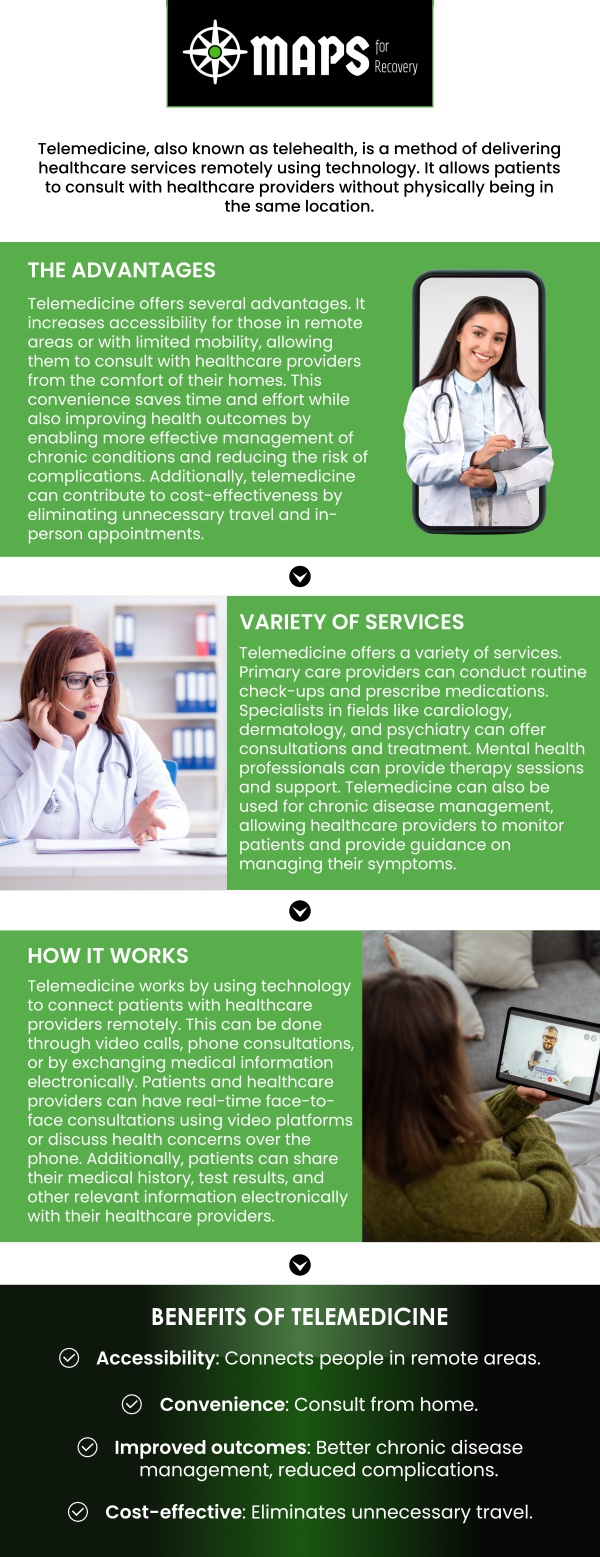
Table of Contents:
What Is Telehealth Addiction Treatment?
How Does Telehealth Addiction Treatment Protect Patient Privacy?
What Technology Safeguards Are Used in Telehealth to Protect Sensitive Information?
Is Telehealth Addiction Treatment Compliant with HIPAA and Privacy Regulations?
How Does MAPS for Recovery Ensure My Addiction Treatment Stays Private and Secure?
Telehealth addiction treatment refers to the delivery of addiction care services—such as medical evaluations, counseling, medication management, and follow-up appointments—via digital platforms instead of traditional in-person visits. Patients connect with clinicians using secure video conferencing, phones, or other online communication tools.
Telehealth allows individuals to receive high-quality support from MAPS for Recovery without needing to travel, making it a valuable option for people with mobility challenges, limited transportation access, or busy schedules. This approach can include assessments, therapy sessions, medication prescriptions, and ongoing monitoring, all provided remotely by licensed providers.
Because addiction treatment involves deeply personal health information, telehealth platforms are designed to ensure that these interactions are as safe and confidential as traditional face-to-face care.
Protecting patient privacy in telehealth addiction care requires a combination of legal compliance, technology safeguards, and clear policies about data use. Several foundational principles underlie this protection:
1. Secure Communications
Telehealth systems use secure communication protocols that make it difficult for unauthorized individuals to intercept conversations, messages, or health records. These protocols encrypt data both during transmission and at rest, which means that sensitive information is scrambled into unreadable code for anyone without the proper authorization.
2. Access Controls
Systems require unique log-ins and authenticated access for both patients and providers. Only individuals with verified credentials can view or modify a patient’s records or participate in live sessions. This helps ensure that health information is accessed only by the right people.
3. Confidential Spaces for Sessions
Patients and providers are both encouraged to conduct telehealth appointments in private settings to prevent others from overhearing sensitive discussions. This personal responsibility enhances the formal technology safeguards in place.
4. Data Minimization and Controlled Sharing
Healthcare providers involved in telehealth typically adhere to the principle of collecting only the minimum necessary information required for treatment, and they do not share personal health data without consent. This includes clear policies about when and how information might be shared with insurers, family members, or other clinicians.
All these measures work together to create a secure environment for telehealth addiction treatment, preserving the privacy and dignity of the individual throughout the recovery process.
Telehealth platforms that handle addiction treatment are expected to comply with high standards of security and privacy. According to federal guidance on telehealth privacy and security:
1. Encryption
Encryption makes any health information unreadable to unauthorized parties. This includes end-to-end encryption for video and audio communications, ensuring that only the patient and their clinician can see and hear what is shared.
2. Strong Authentication
Platforms implement two-factor or multi-factor authentication, which requires users to verify their identity through more than just a password. This adds an extra layer of defense against unauthorized access.
3. Regular Security Updates
Telehealth systems are regularly updated with security patches and enhancements to address emerging vulnerabilities and reduce the risk of breaches.
4. Audit Trails and Monitoring
Activity logs track who accessed what data and when, providing accountability and the ability to detect suspicious behavior. These logs are often used as part of routine audits or in response to potential security concerns.
These technology safeguards are central to creating a trusted digital environment for addiction care that maintains confidentiality and reduces the risk of data exposure.
Yes—telehealth addiction treatment provided by reputable medical practices is subject to the same privacy and security rules as in-person care. In the United States, providers must adhere to the Health Insurance Portability and Accountability Act (HIPAA), which sets national standards for protecting personal health information, including digital communications and recordkeeping.
HIPAA compliance requires covered entities—such as clinics, hospitals, and many telehealth services—to:
● Use secure platforms that protect electronic health data
● Limit the use and disclosure of protected health information (PHI)
● Provide patients with a Notice of Privacy Practices
● Enter into Business Associate Agreements (BAAs) with third-party vendors handling PHI
These safeguards ensure that telehealth care is not only convenient but also legally compliant and secure. Additionally, more stringent regulations like 42 CFR Part 2 specifically protect substance use disorder treatment records, adding an extra layer of confidentiality.
MAPS for Recovery recognizes that privacy is essential to patients seeking addiction care. While their website outlines robust telehealth services delivered by Lynn E. Lytton, MD and the professional team tailored to individual needs—including remote counseling, outpatient support, medication management, and specialized therapies—[turn1search0] it also indicates that clear privacy practices apply to all interactions.
MAPS for Recovery’s privacy practices forms are available to patients before treatment begins, giving clear information about how personal information is handled and protected.
In addition to technology safeguards and compliance with HIPAA and related privacy standards, patients are encouraged to ask about specific questions they may have regarding confidentiality, the handling of electronic records, and the secure conduct of telehealth sessions. This transparency supports informed consent and trust throughout care.
Moreover, by offering telehealth options, MAPS for Recovery allows you to engage in treatment from the comfort of your home or another private setting, eliminating the visibility concerns that may accompany in-person visits. For more information, contact us or book an appointment online. We are conveniently located at 13809 Research Blvd, Stu 500 Austin, Texas 78750. We serve patients from Austin TX, Georgetown TX, Leander TX, Jonestown TX, Cedar Park TX, Round Rock TX, Rollingwood, TX, Bluff Springs TX, Del Valle TX, and surrounding areas.
Check Out Our 5 Star Reviews


ADDITIONAL SERVICES YOU MAY NEED
- Addiction Treatment
- Alcohol Dependence Treatment
- Benzodiazepine Treatment
- Chronic Pain Treatment
- Drug Treatment
- EMDR Therapy
- Heroin Addiction Treatment
- Medical Management of Alcohol Addiction
- Medical Management of Benzodiazepine
- Medical Management of Opiate Addiction
- Opioid Dependence Treatment
- Tobacco Cessation Treatment
- Transitioning off Xanax

ADDITIONAL SERVICES YOU MAY NEED
- Addiction Treatment
- Alcohol Dependence Treatment
- Benzodiazepine Treatment
- Chronic Pain Treatment
- Drug Treatment
- EMDR Therapy
- Heroin Addiction Treatment
- Medical Management of Alcohol Addiction
- Medical Management of Benzodiazepine
- Medical Management of Opiate Addiction
- Opioid Dependence Treatment
- Tobacco Cessation Treatment
- Transitioning off Xanax


 Send Text
 How May I Help You?